Best Historic Hotels Near Galveston Railroad Museum
Historic hotels near Galveston Railroad Museum share a neighborhood with the depot itself, since the Strand and East End Historical District grew up alongside the same 19th-century rail and shipping boom that built the Santa Fe station. Sixteen properties on the island carry a historic or grand tag, from The Tremont House's 1879 origins to Victorian bed-and-breakfasts converted from private mansions. Staying in one of these buildings turns the museum visit into a fuller afternoon of the same architecture and period, rather than a single stop surrounded by modern chains that could belong to any coastal town in the country.
Historic & grand · Galveston Railroad Museum in numbers
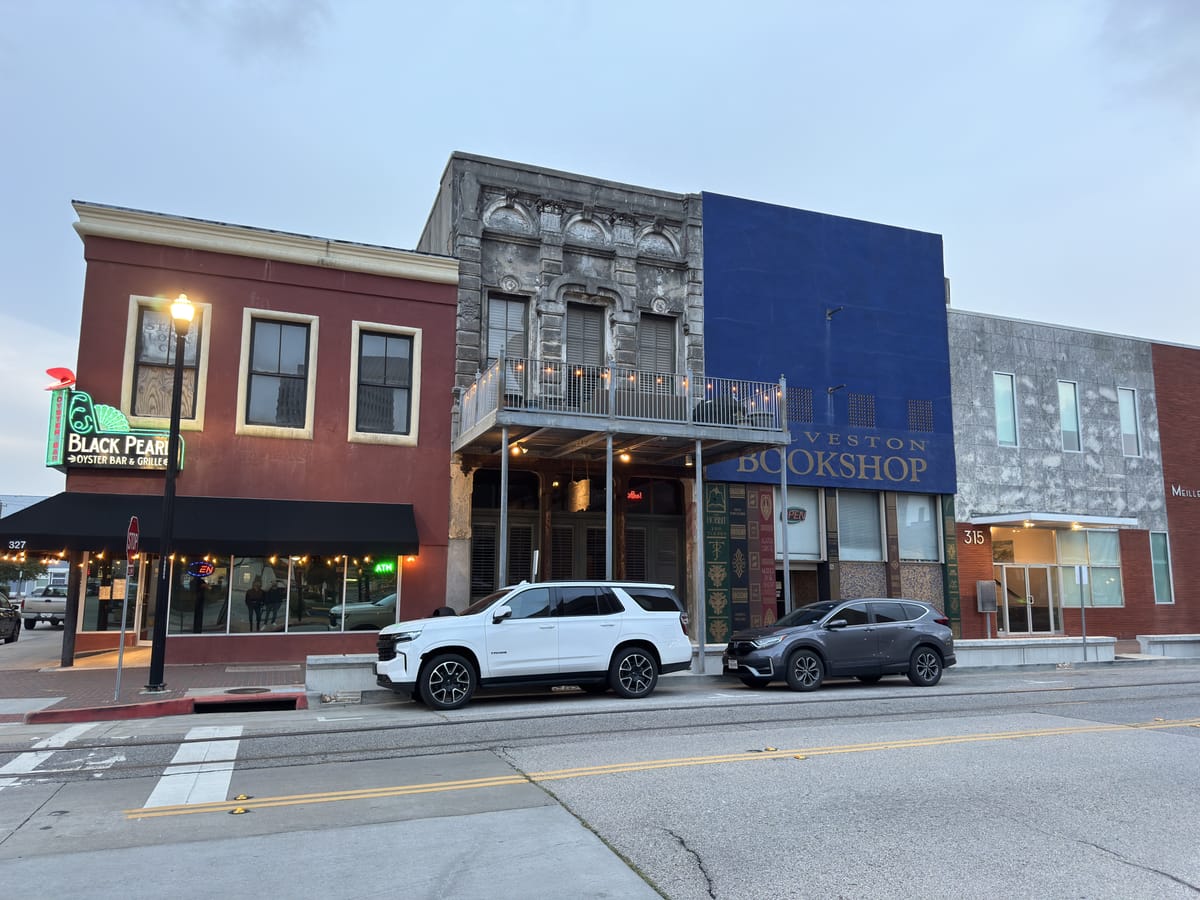 5.0Guest scoreHistoric & grand
Meilleur
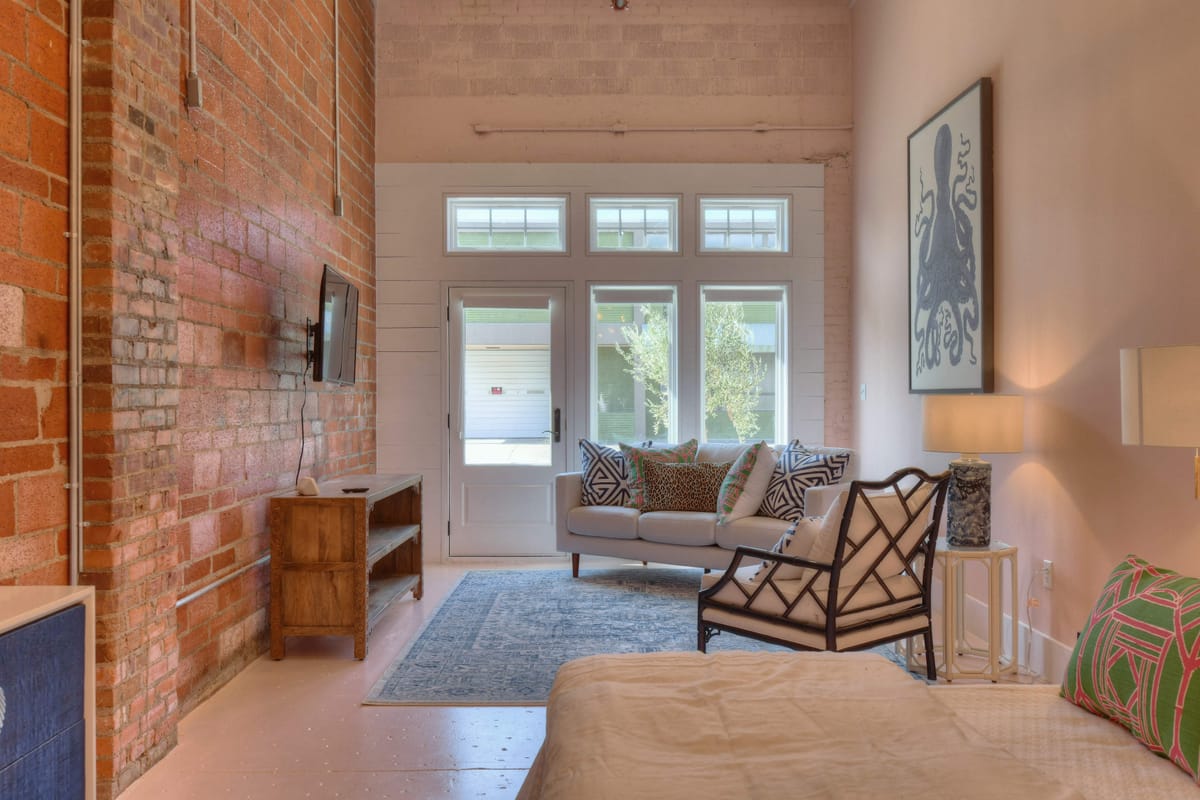 4.9Guest scoreHistoric & grand
Emilys On The Island
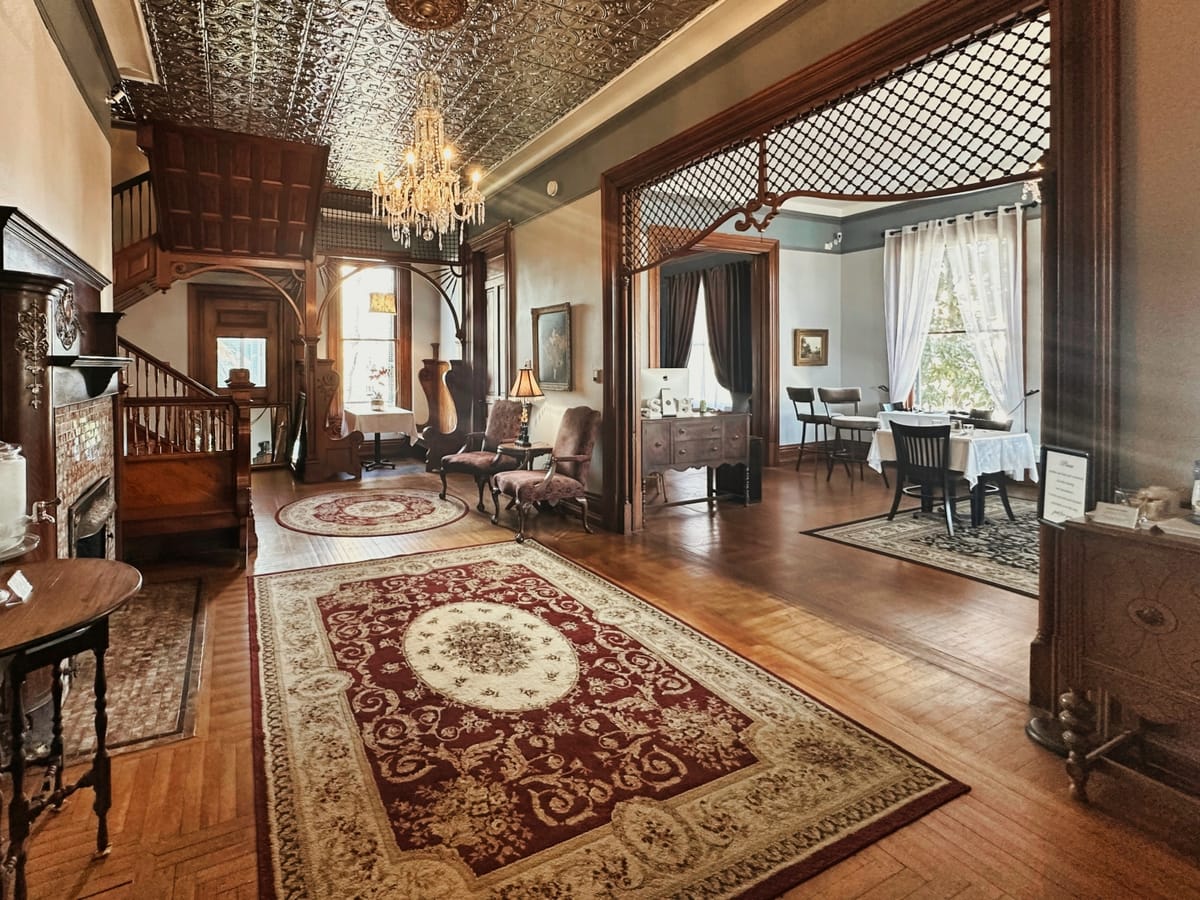 4.8Guest scoreHistoric & grand
The Mansion on 17th (formerly Schaefer Haus)
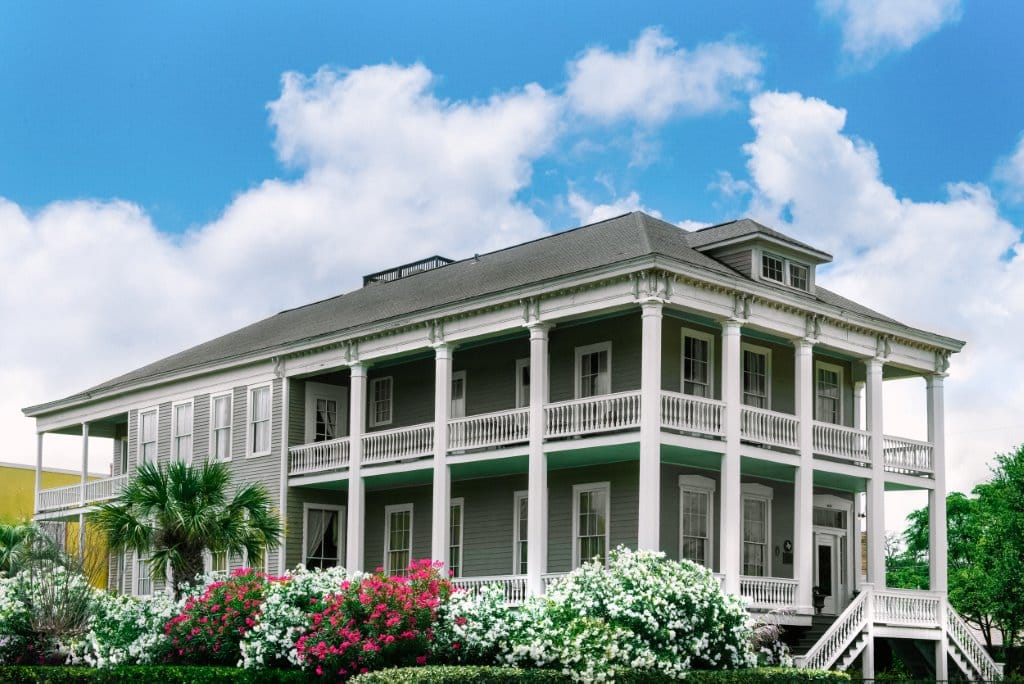 4.8Guest scoreHistoric & grand
TO PLATFORM
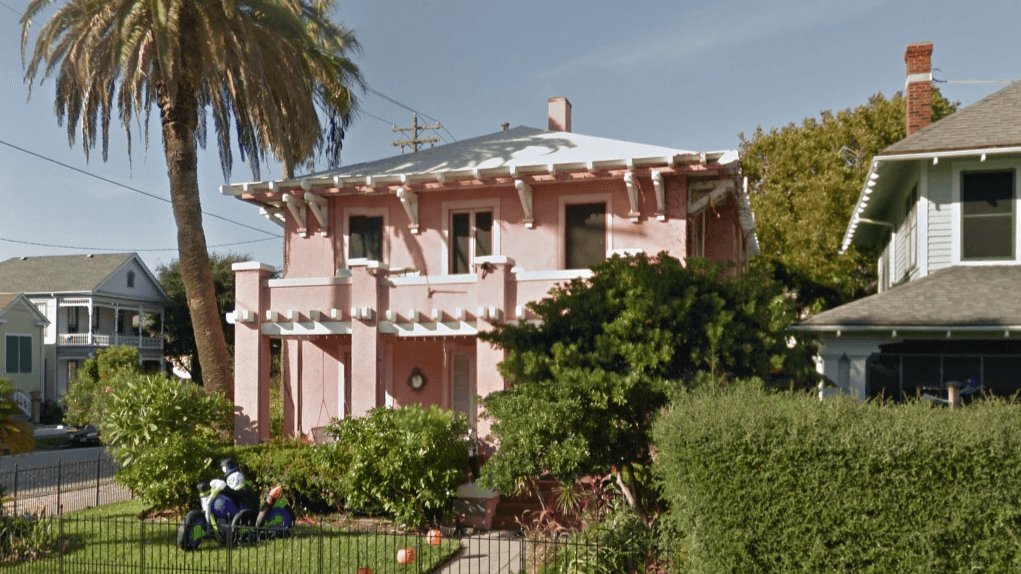
Lasker Inn Bed & Breakfast and Event Venue
 4.6Guest scoreHistoric & grand
TO PLATFORM
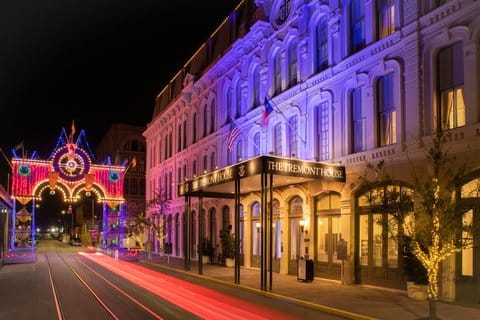
The Villa Bed and Breakfast
 4.6Guest scoreHistoric & grand
TO PLATFORM
The Tremont House, Galveston, a Tribute Portfolio Hotel
 4.5Guest scoreHistoric & grand
Residence Inn by Marriott Galveston Island
 4.5Guest scoreHistoric & grand
TO PLATFORM
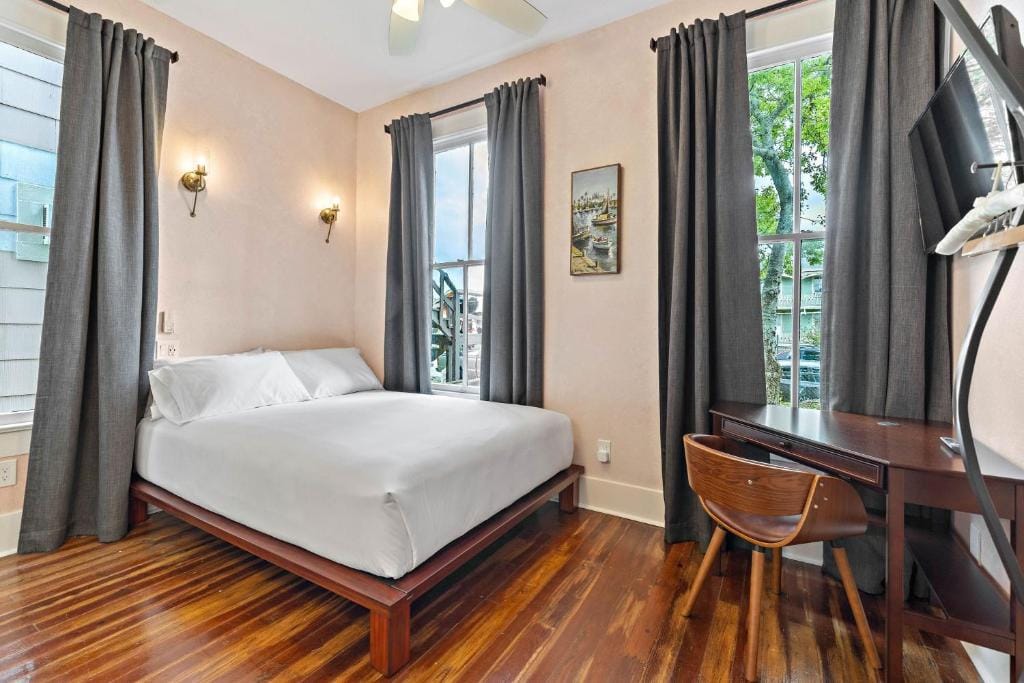
Harbor House Hotel & Marina at Pier 21
 4.4Guest scoreHistoric & grand
Lotus Galveston
 4.4Guest scoreHistoric & grand
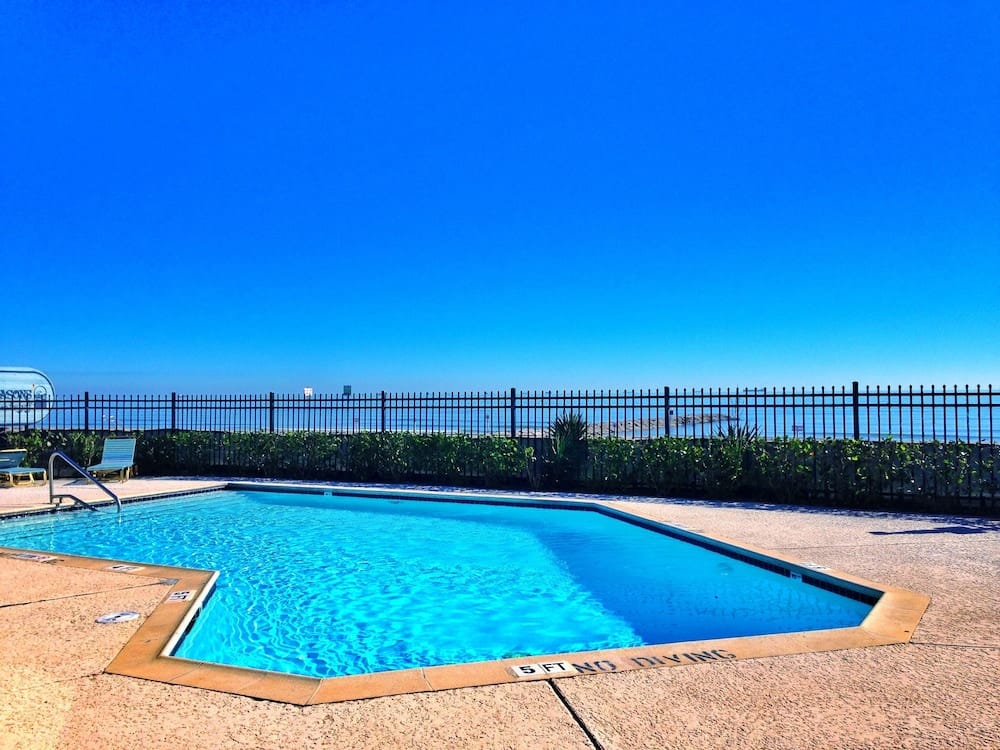
The Villas at The San Luis Resort
 4.2Guest scoreHistoric & grand
TO PLATFORM
FOUR SEASONS ON THE GULF
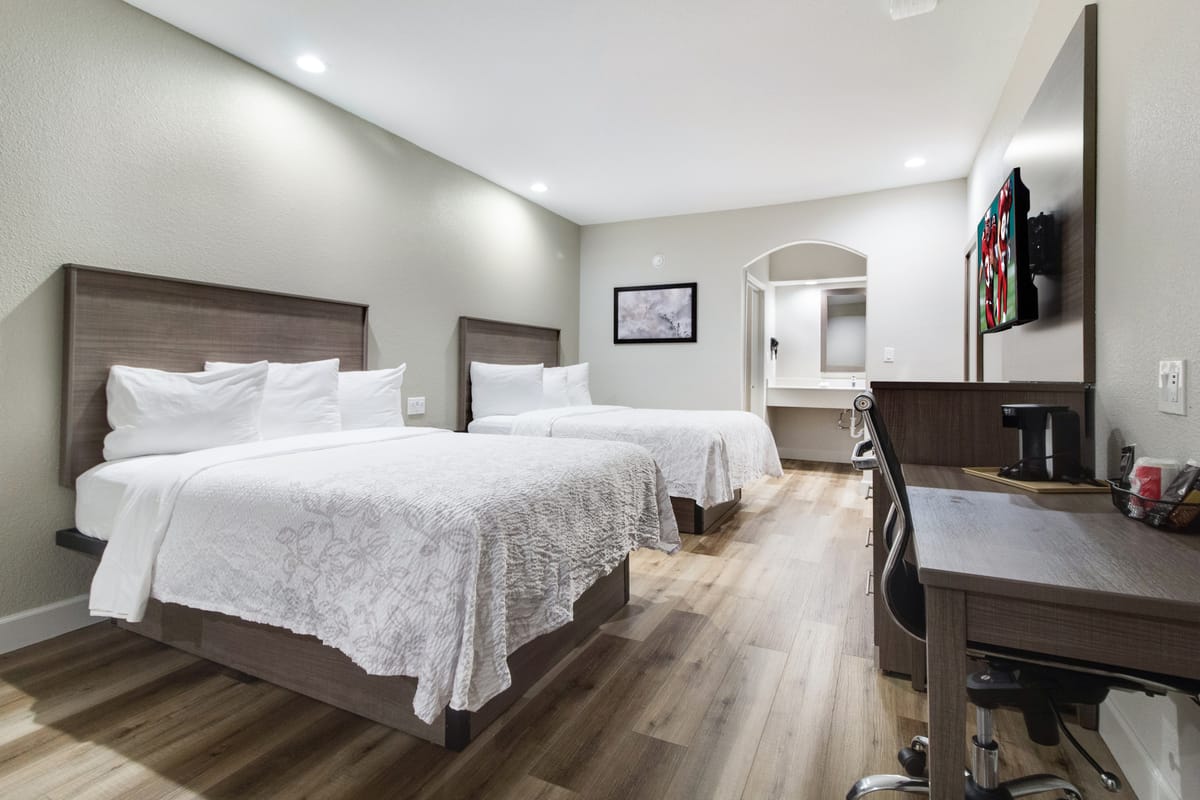 4.1Guest scoreHistoric & grand
Red Roof PLUS+ Galveston - Beachfront
 3.9Guest scoreHistoric & grand
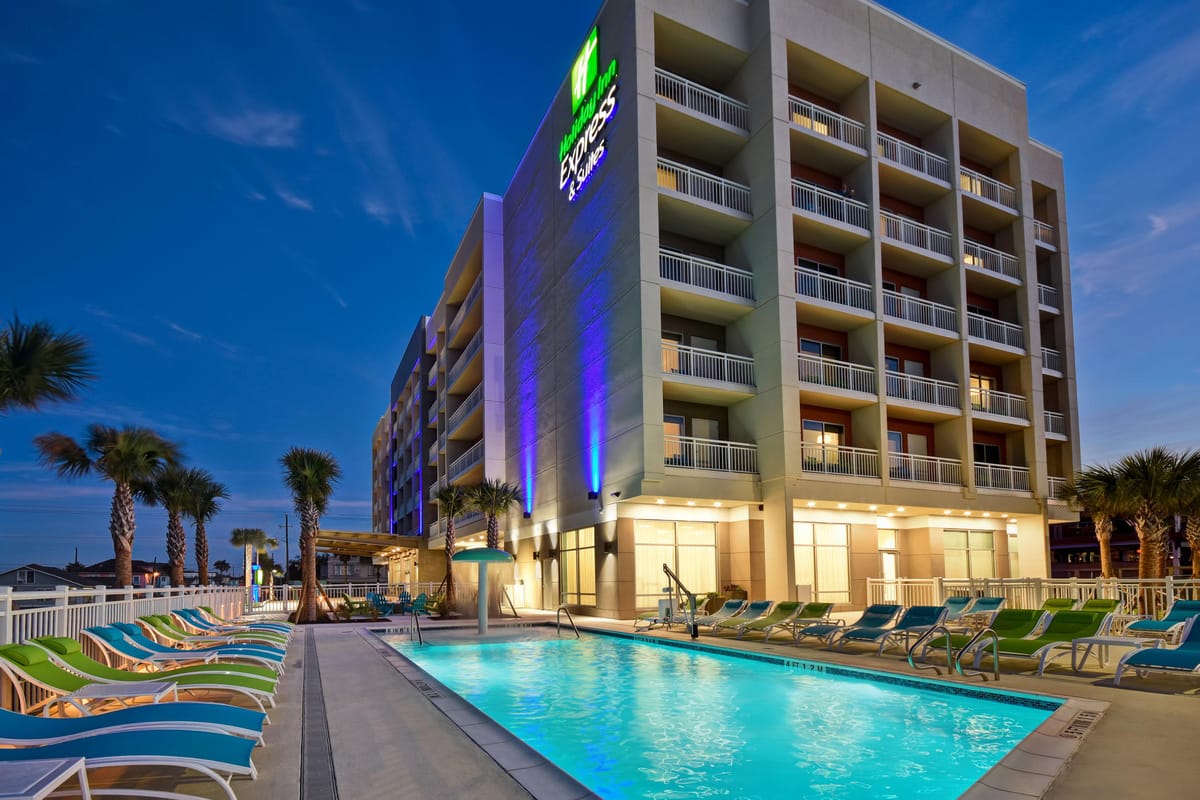
Holiday Inn Express & Suites Galveston Beach by IHG
 3.9Guest scoreHistoric & grand
Homewood Suites by Hilton Galveston
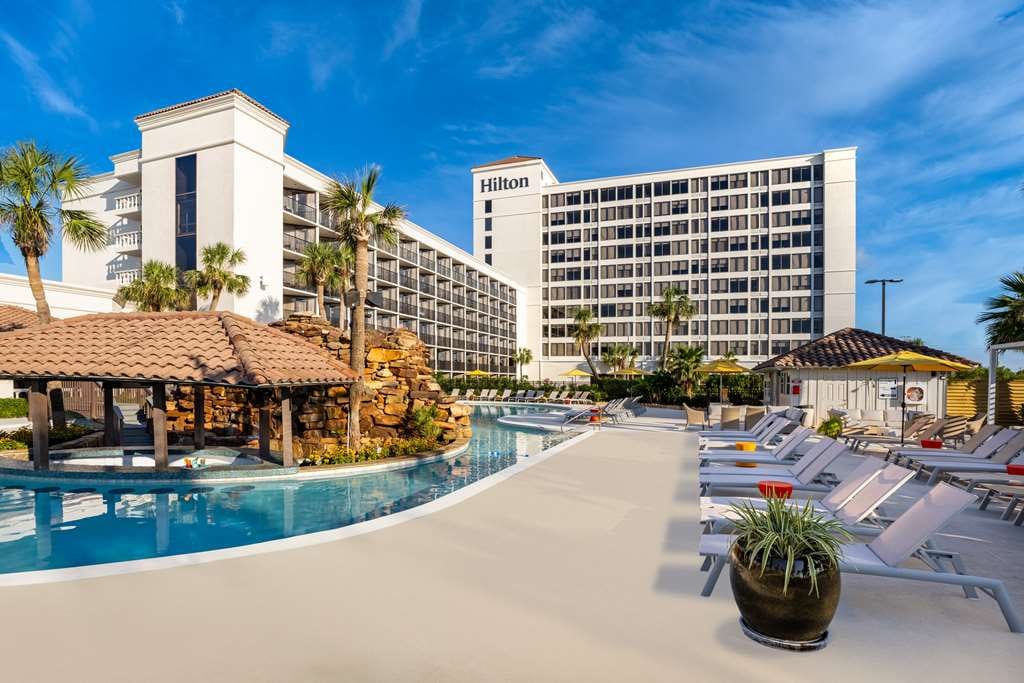 3.9Guest scoreHistoric & grand
TO PLATFORM
Hilton Galveston Island Resort
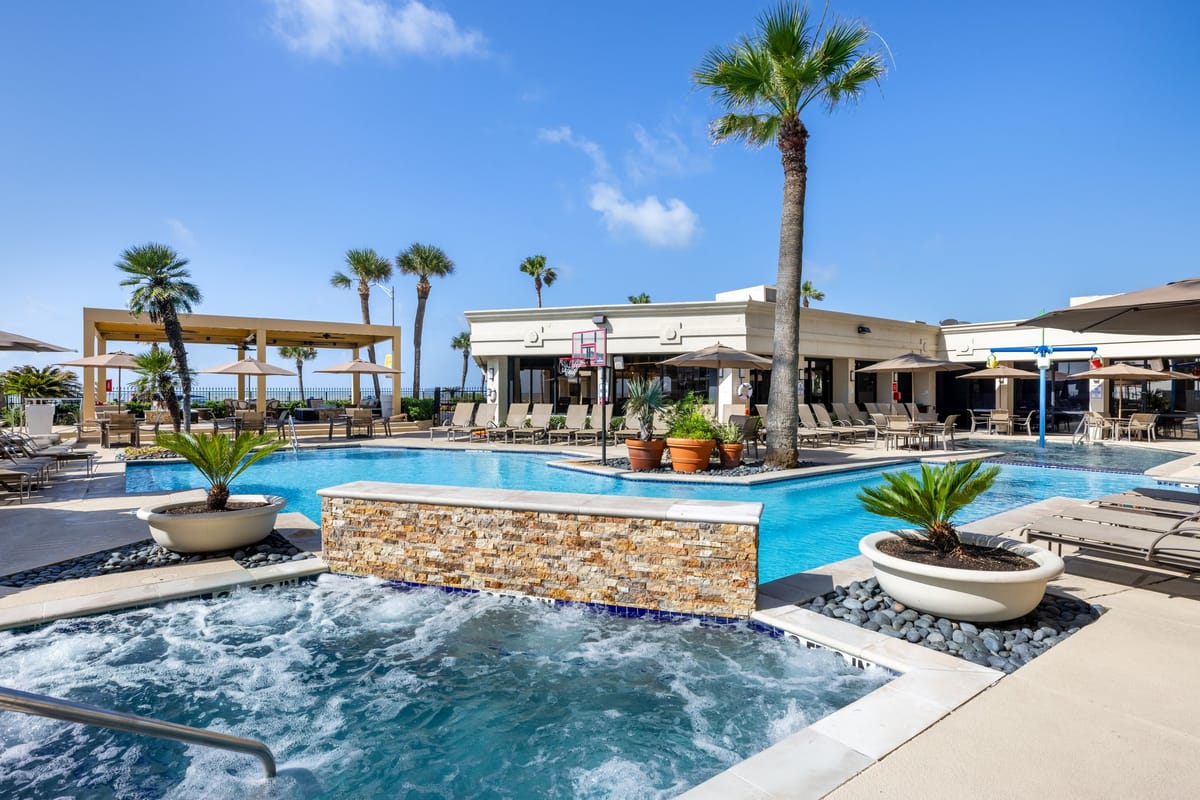 3.8Guest scoreHistoric & grand
Holiday Inn Resort Galveston-on the Beach by IHG
A Neighborhood Built To Match The Museum
The Tremont House occupies a restored 1879 hotel building a short walk from the depot, keeping its original brick facade and adding a rooftop bar and event space inside the historic shell. Grand Galvez, dating to 1911, sits further toward the Seawall but carries the same era's scale, with a saltwater pool and spa built into the original resort footprint, giving guests two very different reads on the same period of Galveston's rebuilding. Walking between the two, past the cast-iron storefronts that line the connecting blocks, traces almost the entire arc of the island's post-hurricane reconstruction in a single afternoon.
The Mansion on 17th and Lotus Galveston sit inside the East End Historical District, walking distance from both the depot and the Strand's shops, in streets lined with the same Victorian homes the neighborhood is named for. These smaller properties trade resort amenities for a closer, quieter read on the architecture itself, letting a stay double as a slow walk through the same period the museum's exhibits describe in detail. Guests who stay a second night often say the neighborhood reveals more detail on a repeat walk than it did on the first pass from the depot.
The Villa Bed and Breakfast, Lasker Inn and Emilys On The Island round out the East End's historic cluster with period-style rooms inside converted 1870s and 1880s homes, several with claw-foot tubs or courtyards original to the buildings rather than added for guests. Staying in one of these homes gives a more intimate sense of how the neighborhood actually lived through the era the depot represents. A host on-site, rather than a rotating front-desk staff, tends to know the small architectural details that a larger hotel's team would not think to mention.
Two more properties, The Villas at The San Luis Resort and Holiday Inn Resort, carry the historic tag through their setting and scale rather than original construction, offering a grander feel for guests who want the atmosphere without committing to a smaller bed-and-breakfast's fewer amenities. Both suit a traveler who wants the historic mood without giving up a pool, spa or full restaurant service during the stay. That balance of atmosphere and full amenities is a reasonable middle ground for a group that cannot agree between a bed-and-breakfast and a full resort. It also gives first-time visitors an easier entry point into the district's history without committing to a smaller property's more limited service.
Galveston rebuilt itself after the 1900 hurricane using brick, iron and raised foundations, and much of that rebuilding survives intact in the Strand and East End today. The city treats preservation as a point of pride rather than a tourist gimmick, which is why so many of its hotels are original buildings rather than replicas built to look the part.